Uncategorized

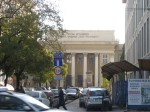
Niedziela we Wrocławiu

There couldn’t have been a better day for it to be Polish Daylight Savings Time–I stayed up till 2 AM last night putting up pictures of the Lublin trip, and the surprise extra hour of sleep is much appreciated. It’s another quiet Polish Sunday morning.

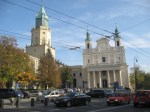
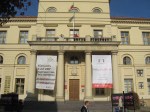
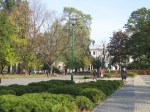
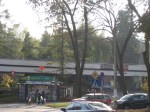
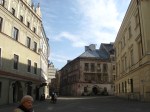
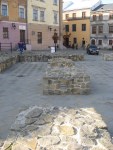
The Wrocław Rynek. Sunday morning. The square almost empty.

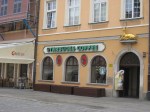
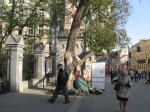
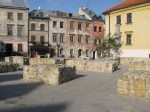
Now I’m in the Wrocław Starbucks on the Rynek, in the under-the-golden-stag building (pod złotym jeleniem) across from the under-the-golden-dog building (pod złotym psem).

15th-century apteka--now a Starbucks. (There's still an apteka next door, which is nice.)

I’m working on an application that is due, in the Western Hemisphere, sooner rather than later–which means I will have to use DHL so it can fly Under the Golden Airplane Airlines (pot złotym samolotem) but it’s worth it. I had an experience with some documents being lost through the regular Polish mail en route to the US, and I think I’m not going to risk it this time.

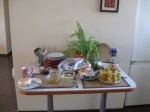
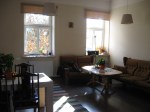
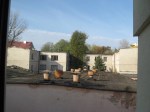
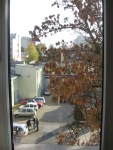
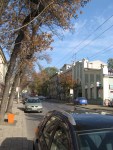
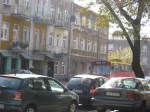
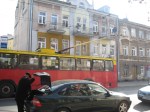
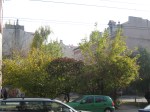
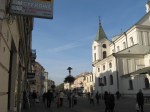
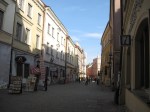
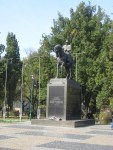
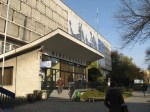
In the narrative of last week’s trip, I still have to get to Łódź–but here are a few Wrocław photos from last night and this morning. A day of writing lies ahead. I’ll put up the Łódź pictures when I’m finished with it.

Standard
Uncategorized

w Lublinie, day 2

It’s hard to know where to start with Lublin.

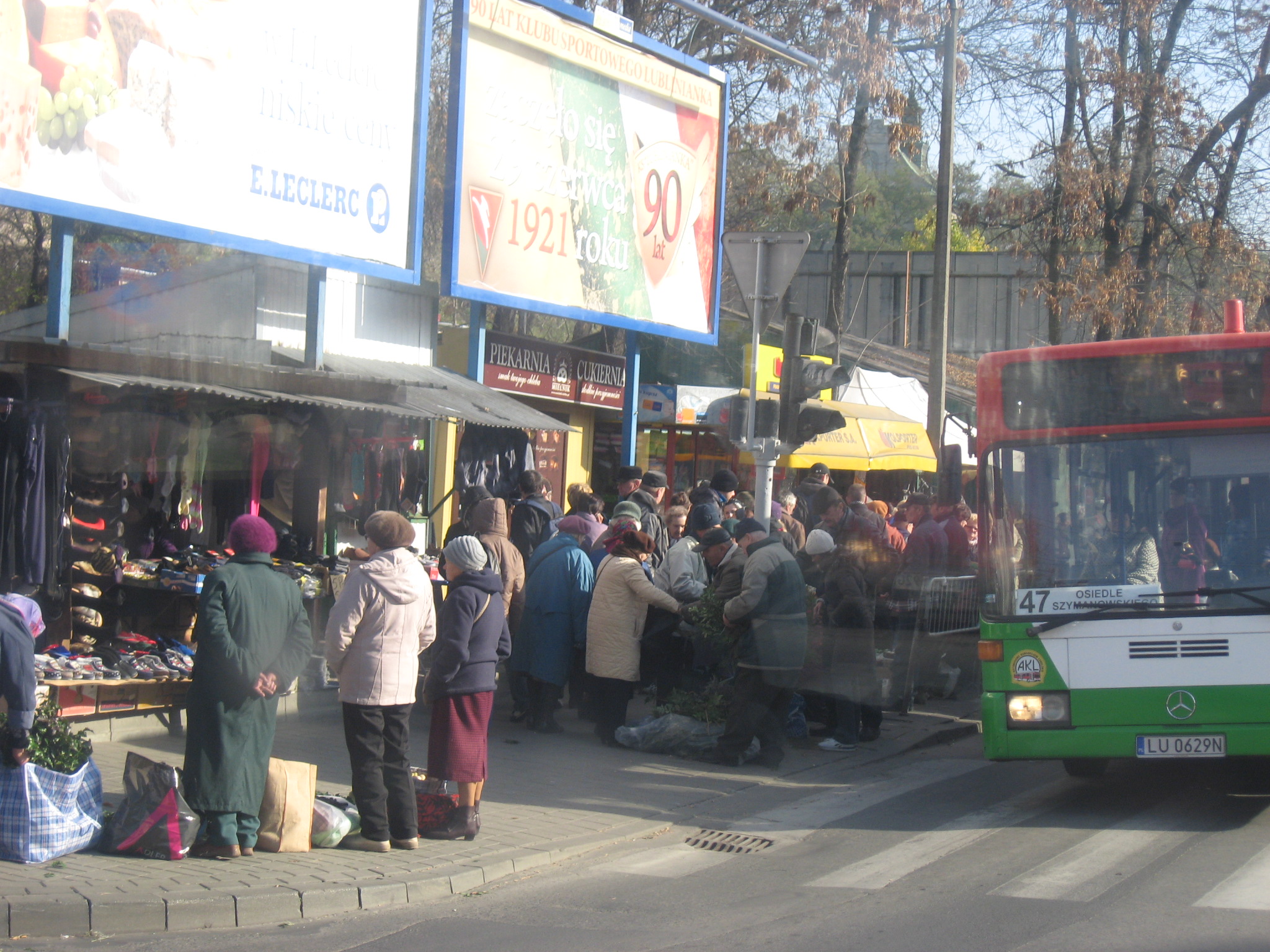
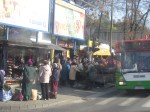
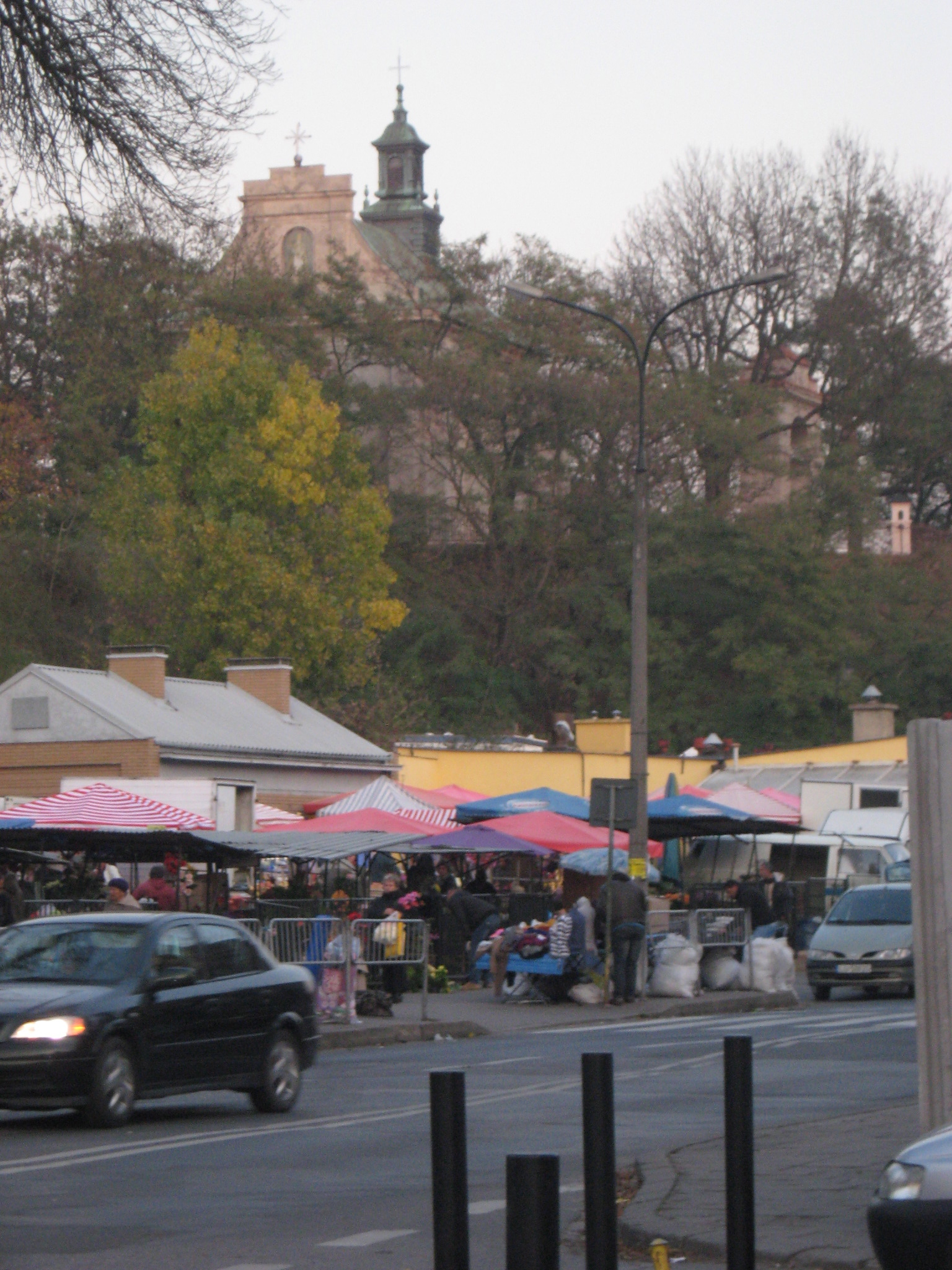
Maybe this picture of people swarming the street “bazar”…

Aleje Tysiąclecia market, on a Wednesday morning.

Or this picture of Birds Gone Wild in the Saxon Gardens, swirling and diving and showing off for an indulgent woman with birdseed.

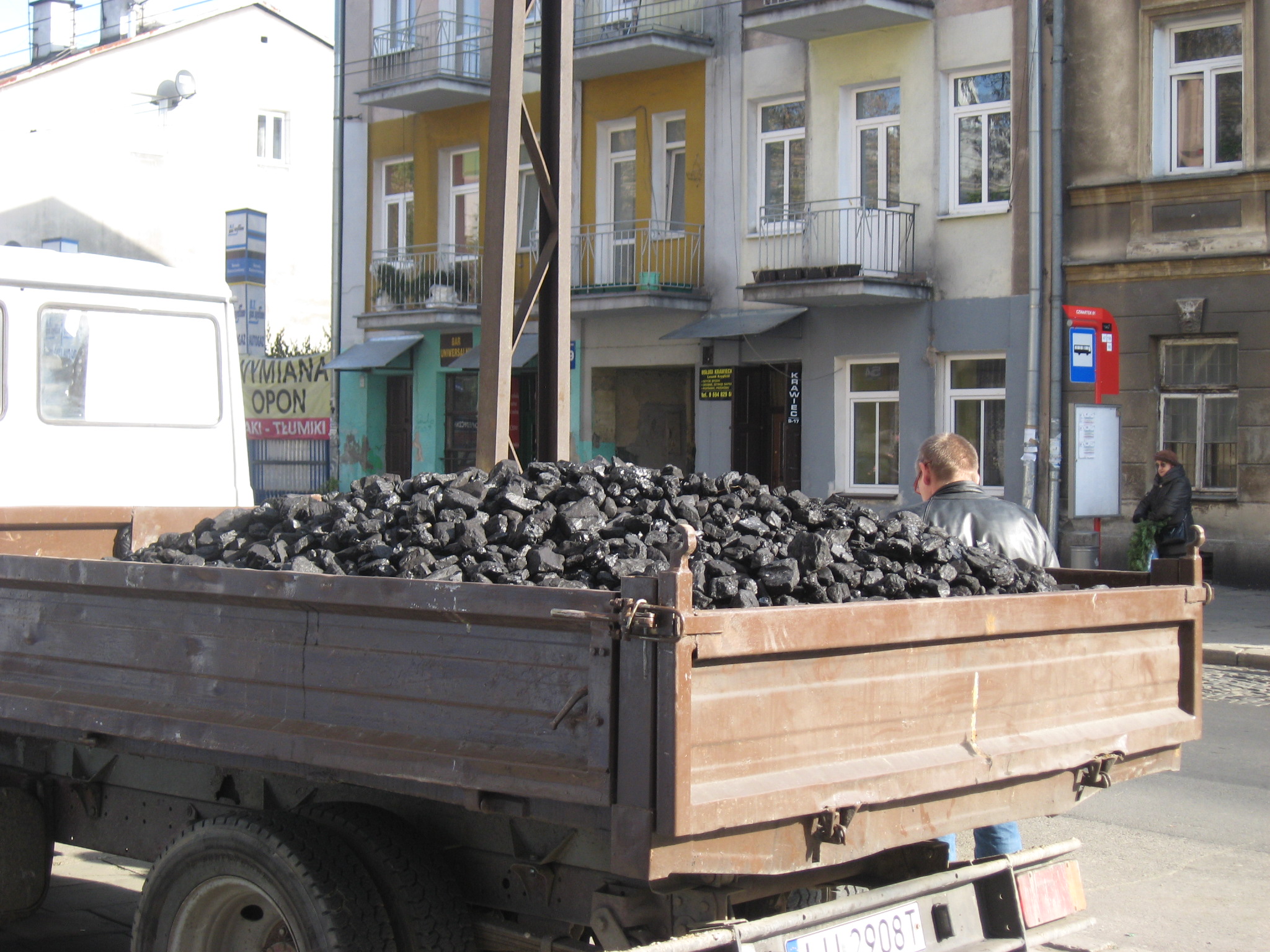
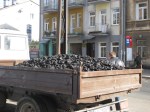
Or this wagon full of lumps of coal–yes, really, a wagon full of lumps of coal— that was outside my hostel as I walked to the bus stop, in the morning, on ul. Lubartowska.

There is nothing I can say about this image that speaks better for it than the image itself. WAGON. COAL. Witamy w Lublinie, folks.

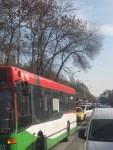
Or all these images of my second day in Lublin, from the hostel breakfast to the morning bus-ride to Brama Krakowska to the Old Town, to the Saxon Gardens.
After this trip around town, I visited the campus of the Marie Sklodowska-Curie University, where I was on a mission to locate a) the library b) my friend A. My map led me to the wrong library–the public library–first, but I have images of both.

I did eventually connect with A., and we crashed an Erasmus student mixer for the free food. After leaving A. on her campus, I returned to the Warstaty Kultury for a play by a Czech theater company, also on the subject of climate change and its effects on the African continent.

The Czech play, like the German one, relied heavily on caricature. I was able to understand it half through the Polish supertitles, half through the spoken Czech (which sounds an awful lot like Polish) and half through the helpful whispered notes of my German friend sitting next to me.

I sat with actor friends in the lobby afterwards for some time, but was too wiped out to go out. I went back to the hostel.

The next morning, to leave Lublin, I had to get on one bus that said its destination was Majdanek (the Lublin-area concentration camp, very close to the town itself–and also just the name of part of the town) to transfer to another bus to go to my train station.

The bus was a reminder of a history I was trying to have my time in Lublin not be about, but some reminders of that history were, I think, inevitable. (There was also a moment in a Stare Miasto tourist shop where I went to buy a postcard and accidentally picked up one with images of barbed wire and human bones on it.)

The more time I spent in Lublin, the more I loved it, but the sadder I became about what had been lost. Singer’s Lublin was something I sensed around every corner in this place, but to sense something is not the same as having it be present.

At any rate, I was happy to get off that bus to Majdanek, and to board a train heading back to Warsaw, to my present life, to the present day, and to set history aside for the moment–and to crash in Praga for 24 hours, before the next train, to Lodz.

Standard
Uncategorized

w Lublinie

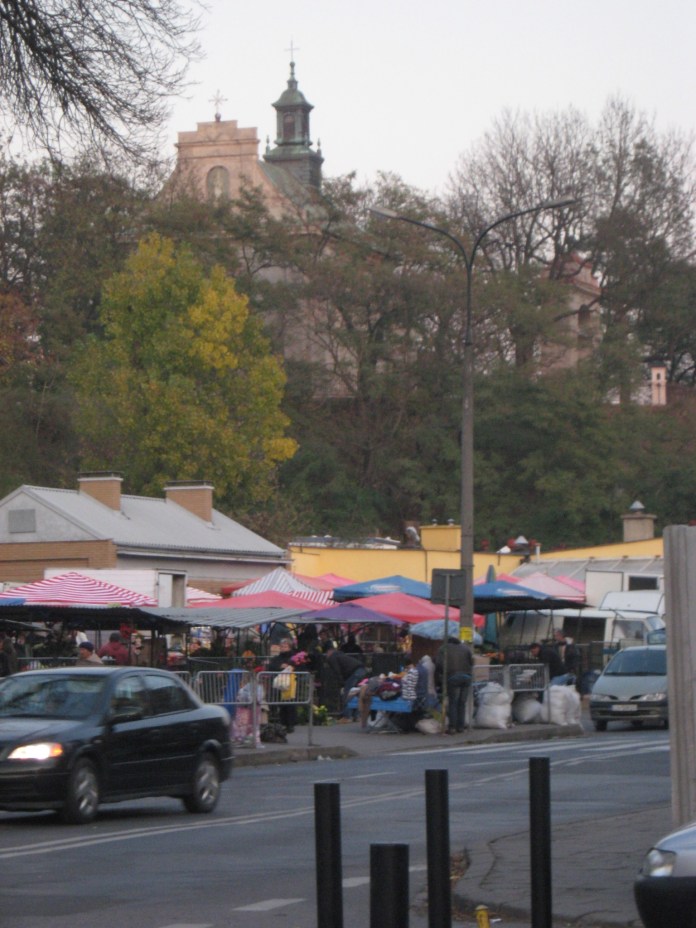
The tops of churches above; the brightly-colored umbrellas of a streetside "bazar" below. Lublin on a late weekday afternoon.

Stardate: Tuesday, November 25, 2011, and I’m on my way to Lublin for a festival of plays about climate change and its effects on the agriculture and economy of the African continent–plays created by Czech, German, and Polish theater companies. The plays are touring to the home city of each of the companies; Berlin, Brno, and Lublin. It also just happens that the German company is the Berliner Compagnie, who I worked with in 2003.

I have a very good feeling about this trip. I’ve already mentioned my obsession with Isaac Bashevis Singer’s novel “The Magician of Lublin” on this blog, but I’m going to mention it thirty more times before this blog post is over. I have such a good feeling that I don’t leave my house until one hour before the train’s supposed to leave. This, I think, as I slide into Warsaw’s Dworzec Centralna with only fifteen minutes to buy a ticket, is cutting it too close.

However, it turned out that the train to Lublin was delayed for almost 40 minutes. I must look like a good person to ask “Where’s the train to Lublin?” because a lot of people asked me.

The train itself was a smaller and less flashy version of the InterCity trains I’ve been riding between Warsaw and Wroclaw. I didn’t have an assigned seat, but there was plenty of room. I felt as if this voyage, Warsaw-Lublin, was my first new adventure in Poland. An entirely new city. No more of this bouncing between Warsaw and Wroclaw. This, I was hoping, would be the real Poland.

My roommate, the knowledgable (and Polish!) M., told me that Lublin would be colder, and she was right. From the moment I stepped out of the station, I knew the air was going to be sharper here. There appeared to be no tram stop, only lots of different buses. I knew my hostel was north of the station, but not exactly how to get there.

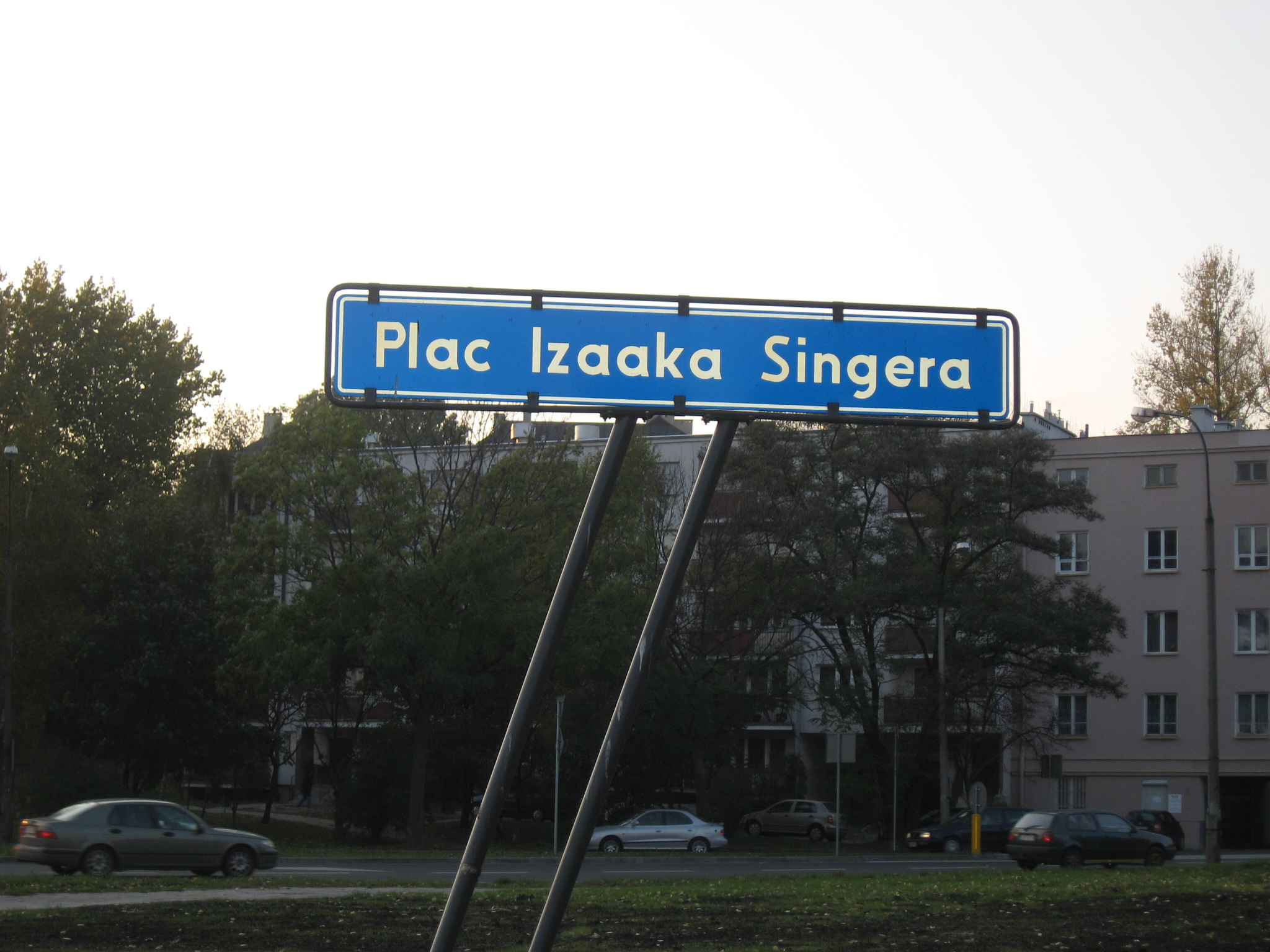
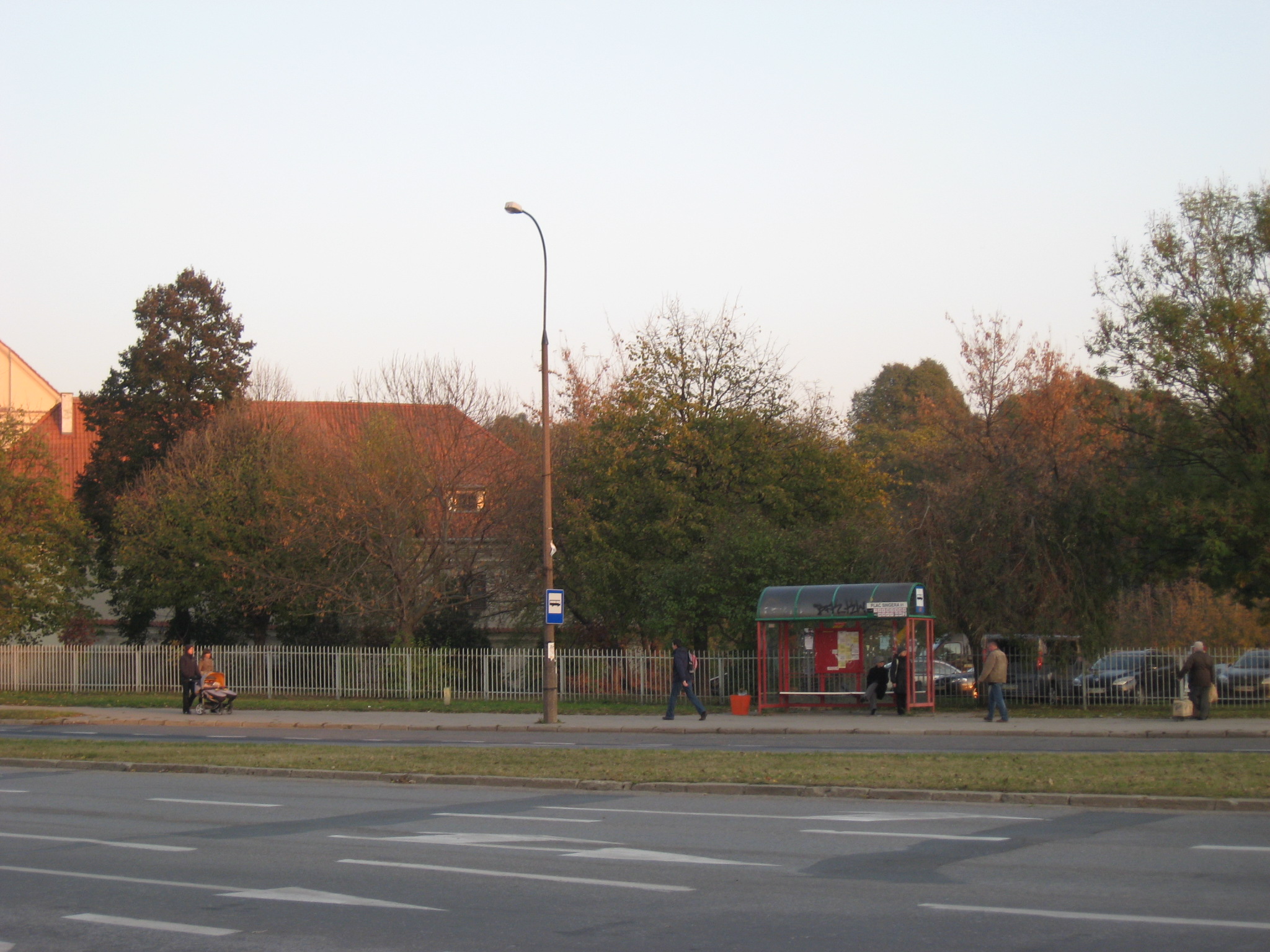
One map bought later, I found out that there was a bus stop called “Plac Singera,” for Isaac Bashevis Singer. I got really excited, and decided that whether or not this stop was convenient to my hostel, I was going there. It was…close enough.

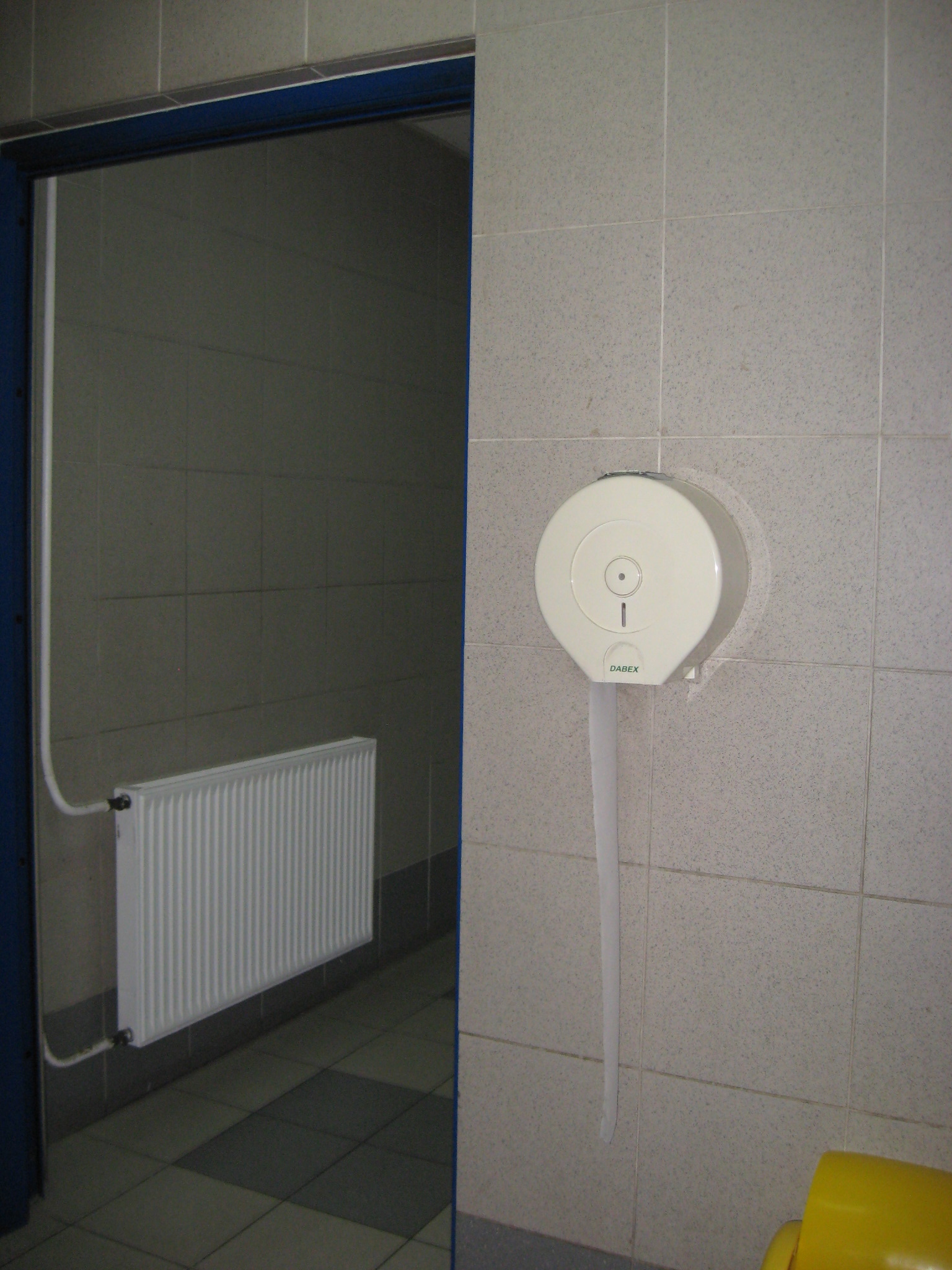
Pictures! Sorry to start with this one, but, you know…I felt some documentation was necessary.

Remember how, in Soviet-occupied countries, toilet paper was scarce? There would be one dispenser outside the stalls, and you had to take in as much as you needed. Yep. In certain parts of Poland...that is, Lublin, and other smaller towns...the citizens have not yet replaced this system. Arrrgh.

I boarded the #34 bus, along with a great number of women wearing berets, and we were off.

Along with the colder weather, the elevations of Lublin–almost every street is either going downhill or uphill–made me feel as if the place was quite a lot like Ithaca, NY. It’s also a small town, a friendly and somewhat sleepy town, and a college town. Groups of college students were wandering on and off the buses. The buses were old and rickety. Although it is still a city, and a modern city, there was enough of the slow pace and the quiet streets to make me feel that Singer’s Lublin was somewhere underneath the surface.

And I got off at…you guessed it…
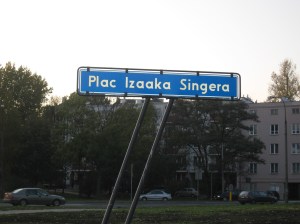
PLAC IZAAKA SINGERA!!!!!!!!!!!!!

So excited. So, so excited.
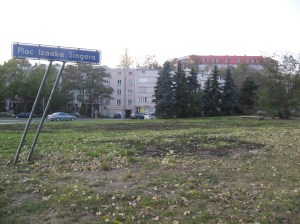
Sadly, it's just a street name, with a sign in an empty field. No statue. But still, cool.

After some wandering around Plac Singera, I made my way south towards Aleje Tysiąclecia, suitcase in tow.
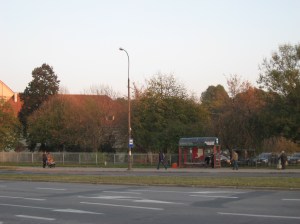
A small town, but not empty-feeling. Just small.

The streets were pretty empty, but the few people I saw seemed…like people in Ithaca, NY. A slower pace. A self-satisfied sense of “Why, yes, we DO live in a very beautiful place…and we don’t care that it’s not a big city…!” It was as if there couldn’t possibly be anything to be in a rush about.
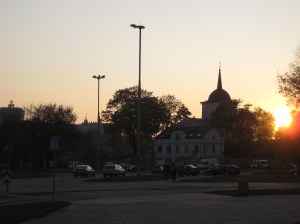
Sun beginning to go down--I arrived late in the afternoon. Should probably find the hostel...
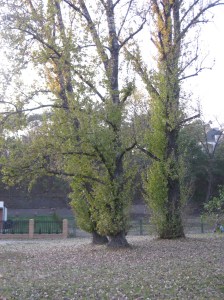
Even the trees are wearing jackets. Because Lublin is cold.

Parents playing with kids in one of the playgrounds by an apartment building. Sweatshirts, jackets.
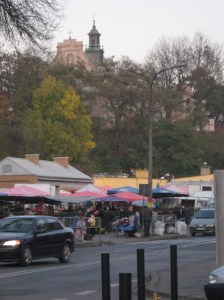
Street market on Aleje Tysiąclecia. So much elevation to Lublin--it seemed as if everywhere I looked there was something going on up high, and something else at the bottom of my field of vision. It's a town of hills, of ups and downs.

Now I'm finally on the street the hostel is on, ul. Lubartowska. This almost feels like San Francisco, heading up a steeply angled street.

I made it to the hostel, checked in, and made plans to meet up with my friend at the show.

Continue reading

Standard
Uncategorized

Fall morning in Praga, Warsaw

It's a beautiful day in the neighborhood...

This Serene Autumnal Picture is of the walk down the wide and pleasant ul. Namysłowska, on my way south towards Plac Hallera and a busier area of Praga, my neighborhood on the east side of the Vistula.

(I’m writing this post from the kitchen of the Cinnamon Hotel, my Wroclaw home-away-from-Warsaw of choice–and catching up on blogging from a week of travel. Two days in Lublin, one in Lodz, and now three in Wroclaw to come.)

This narrative begins on Tuesday, 10/25, with a sentimental photo-shoot of the Praga neighborhood. The morning of my trip to Lublin, I finally made it to the post office at Plac Hallera to pick up a package (my parents sent me a biography of Henry James!) and on the way there and back, I thought I would document the neighborhood. I also took some pictures of the Praga-area Warsaw Uprising memorial. Photo gallery follows–you can click on one and enlarge to go through them as a slideshow.

Standard
Uncategorized

Lublin bound

“The summer was in full bloom. The fields grew golden, fruit ripened in the orchards. Intoxicating earth aromas induced lassitude and an ethereal calm. ”Oh God Almighty, You are the magician, not I!” Yasha whispered. ”To bring out plants, flowers and colors from a bit of black soil!”

The Magician of Lublin, Isaac Bashevis Singer (as quoted in NYT review here)

I’ll be in Lublin in about 3 hours–that, to me, is about as exciting as saying “I’ll be in the Emerald City of Oz in 3 hours.” Of course, it’s not going to be the summertime Yasha was talking about, but I’m still expecting it to be beautiful.

To be continued.

Standard
Uncategorized

Crossing the Vistula

On Saturday at around 17:00, heading into the center of town for a meeting, there were fewer people than usual on the tram car. I decided this was my chance to shoot a short video of the trip over the Vistula on Most Gdański, going from the east bank to the west. It’s a little over a minute long. It starts when we’re stopped on the Praga side, at the Wybreże Helskie stop, and finishes as we come to the Most Gdański stop. The camera is looking south, downriver.

The next day, coming back from another meeting, I decided to walk across the bridge–in the opposite direction–while it was still warm enough to do so (barely.) It was very, very, very cold. I won’t be doing this again until the spring. I tried to count my steps, but forgot about it after about a hundred. I think that it’s at least 300 steps (for me) to walk across the river.

Today, I’m making preparations for an interview this afternoon and a trip to Lublin tomorrow, to see the Berliner Compagnie–who I worked with way back in 2003–perform as part of a festival. It will be wonderful to see them again. It has been too long. In addition, I’ve had a Lublin obsession since I read Isaac Bashevis Singer’s novel The Magician of Lublin when I was a teenager. It’s still one of my favorites of his books. The only city in Poland I’m more excited about seeing for the first time is Kraków. (Trumpeter of. Children’s book.)

I’ll be in Lublin for two days, back in Warsaw for about 24 hours, and then head to Wrocław for the weekend for another performance. October’s been a fun month.

Standard
Uncategorized

First 24 hours in Warsaw

Almost two months delayed, here are some of the pictures I took when I arrived in Warsaw, on August 20 and 21. I’m going to be doing some photo catch-up over the next few days. I have many, many, many more pictures.

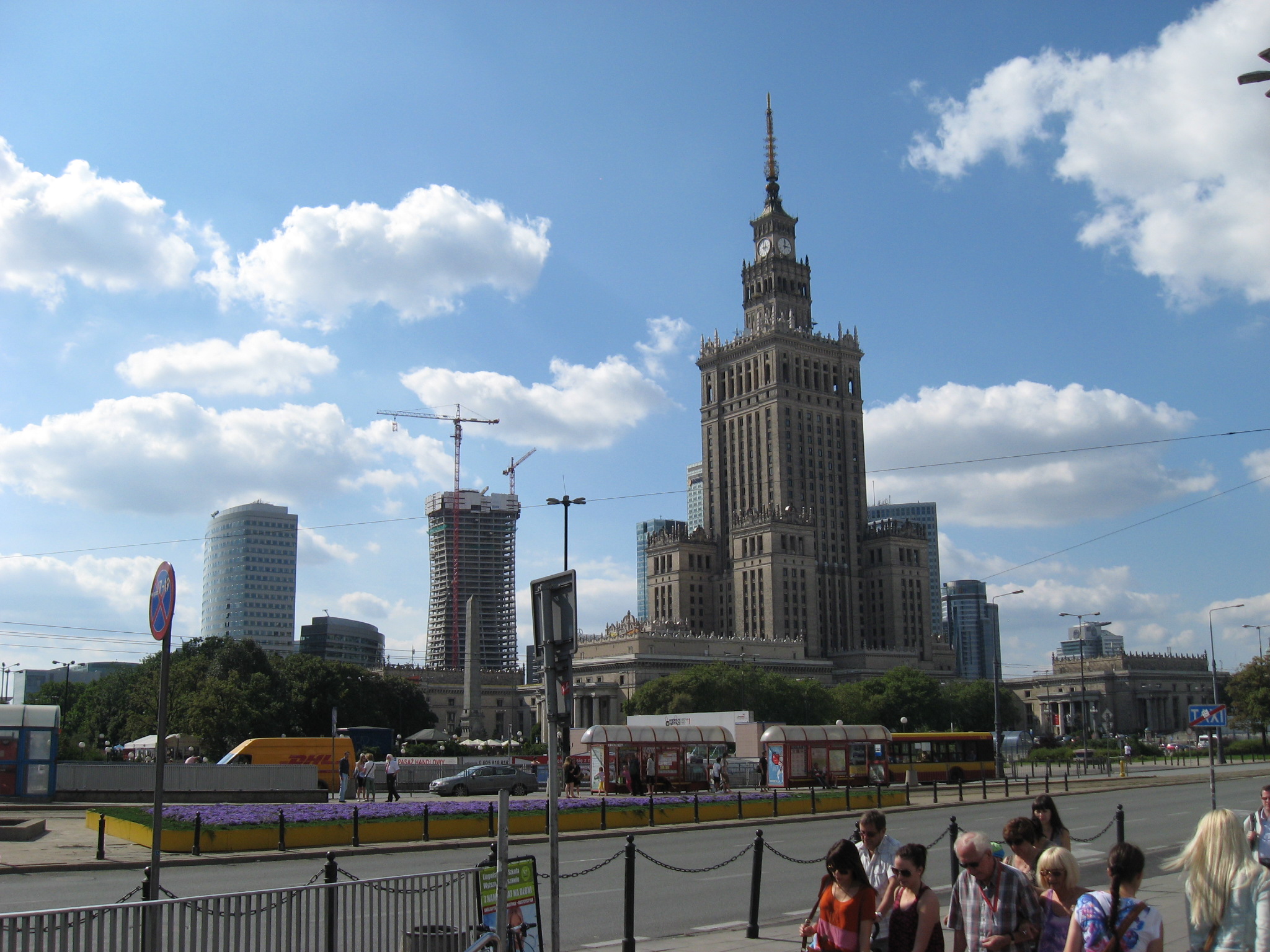
Ul. Marszałkowska and the Pałac Kultury i Nauki on a sunny August day. Don't those clouds look like summer Chicago clouds?

In this gallery mode, you should be able to click on one of the pictures and then go through them in a slideshow.

Standard
Uncategorized

He liked to use contemporary texts

OK. Time to donate money to the Obama campaign again. Being abroad while all this electioneering is going on makes me feel nostalgic for, and protective of, the United States. I remember feeling the same way when I was in Germany in 2003. I keep writing emails to people saying things like “Keep Baltimore real for me,” but what I really want to say is, “Don’t let the Tea Party take over.” They’re at just under a million donors now–you can watch the counter go up.

What Would Julian Barnes Write, continued:

“Later that day—or perhaps another day—we had a double English period with Phil Dixon, a young master just down from Cambridge. He liked to use contemporary texts, and would throw out sudden challenges. “ ‘Birth, and Copulation, and Death’—that’s what T. S. Eliot says it’s all about. Any comments?” He once compared a Shakespearean hero to Kirk Douglas in Spartacus. And I remember how, when we were discussing Ted Hughes’s poetry, he put his head at a donnish slant and murmured, “Of course, we’re all wondering what will happen when he runs out of animals.” Sometimes, he addressed us as “Gentlemen.” Naturally, we adored him.”

– Julian Barnes, The Sense of an Ending (2011)

Standard
Uncategorized

be true to the impressions those facts left

The continued cold weather makes me want to cook. Today, I found out that the little conglomerate of shops and sheds which becomes a full flea/farmer’s market on weekends stays open on weekdays, too. Some of it. It’s very quiet. The shop owners sit outside their shops having cigarettes and chatting until a customer walks by. But there are fruit and vegetable stands, still.

Two rolls of paper towels: 2,90 PLN
Romaine lettuce: 2 PLN
A tremendous head of broccoli: 3 PLN
One kilogram of potatoes: 1 PLN

(Divide prices by 3 for USD.)

I took these, added hard-boiled eggs and a can of kidney beans. I made a dressing by roasting sunflower seeds with chilies in olive oil; the flavor made it seem like more of a taco salad than a nicoise. I steamed the broccoli over the potatoes while they were boiling, which made me feel as if things were being done efficiently.

The whole thing still took a long time, but I’m trying to be more Nigella Lawson in my attitude towards cooking. Relaxed, that is. I recently skimmed through How to Eat because it was released as a very inexpensive Kindle book, and I found it to be inspiring. Not that I followed any of the recipes, but in its attitudes. I probably wouldn’t have set out to make this salad in the first place without having read it.

After all this, I went to the Arkadia Carrefour to replace my roommate’s eggs and lemons, which I had used in making the salad, and was reminded how much I dislike really enormous supermarkets. Every time I’m in that Carrefour, I drop something and break it. Last time it was a glass bottle of carrot juice. This time it was an egg. It’s such a huge place, and there are so many people rushing down the aisles.

One of the nice things about being in Poland right now is the ability to choose between a faster-paced and a slower-paced way of living. They certainly have all the modern conveniences, including supermarkets larger than the Google campus, but they also still have the little stores that only sell one thing–bread, meat, fruit–if you want them. It’s nice to be able to have it both ways.

Roll call:

Oldfield Primary’s Jelly Toad: an old image, from part of the 2010 Larkin25 celebration of the poet’s death.

Two Hopkins poets have poems in the current Valparaiso Review: R. Tung and S. Lackaye. They were both second-years when I was a first-year.

Read Julian Barnes’s The Sense of an Ending today. I liked it more than I am capable of saying.

“We live in time—it holds us and moulds us—but I’ve never felt I understood it very well. And I’m not referring to theories about how it bends and doubles back, or may exist elsewhere in parallel versions. No, I mean ordinary, everyday time, which clocks and watches assure us passes regularly: tick-tock, click-clock. Is there anything more plausible than a second hand? And yet it takes only the smallest pleasure or pain to teach us time’s malleability. Some emotions speed it up, others slow it down; occasionally, it seems to go missing—until the eventual point when it really does go missing, never to return.

I’m not very interested in my schooldays, and don’t feel any nostalgia for them. But school is where it all began, so I need to return briefly to a few incidents that have grown into anecdotes, to some approximate memories which time has deformed into certainty. If I can’t be sure of the actual events any more, I can at least be true to the impressions those facts left. That’s the best I can manage.”

– Julian Barnes, The Sense of an Ending (2011)

Standard
Uncategorized

cold enough to complain

as of yesterday; the weather report on the TV in the Centrum metro station says it was 0 yesterday and -1 today. (Centigrade.) It feels like it’s time for hats and gloves.

Yesterday my roommate and I finished cleaning out the now-defrosted refrigerator. We were able to leave all the perishables on the balcony overnight, and they were fine, due to the above-cited temperatures.

Afterwards, I went to my first-ever Mass at the Praga Cathedral, to hear a friend’s choir sing selections during the service. The Mass was conducted in Polish, of course, but I was able to follow something about rendering unto Caesar what is Caesar’s.

The singers were wonderful, haunting and subtle; my friend D., who works with them, says that Polish choral singers have a remarkable ability to create a blended sound. This matches my experiences with Polish actors and choral voices in a theater context. I’m looking forward to hearing more Polish choral music in a classical setting, going forward.

And then, since it was the last night of the Warsaw Film Festival, a group of people met back at the Kinoteka at the Pałac Kultury i Nauki (PKN henceforth) to see a late screening of Paddy Considine’s film “Tyrannosaur.” Wonderful British actors, very dark plot about domestic and child abuse. Beautifully shot and acted–the lead actor, Peter Mullen, was unforgettable.

Here’s director Considine talking about the film–his first:

With its thugs with pitbulls, cocky youths in pubs, and secretly abusive Christians, Considine seems to have a very bleak vision of the world. “I never made Tyrannosaur to be a film about social realism,” he insisted. “Where they are is just where they are. The world it is set is a world I understood and I wanted to make a film about human beings in pain and a film about redemption and about soulmates – two people from different sides of society – and . I wanted to make a film about love.

article about Tyrannosaur, “Nothing prehistoric about contemporary love story,” Sheffield Telegraph

Standard